Dive Territory
Global Scuba launches from strategic points across New Zealand's east coast to access some of the country's most serious dive territory.
Sites are chosen around weather, visibility, terrain, and what you want from the water. Not a fixed schedule. Not tourist routes. Real diving in real territory.
Launch Points
Each location opens access to different territory. Richie chooses where to launch based on conditions, goals, and what the water is offering.
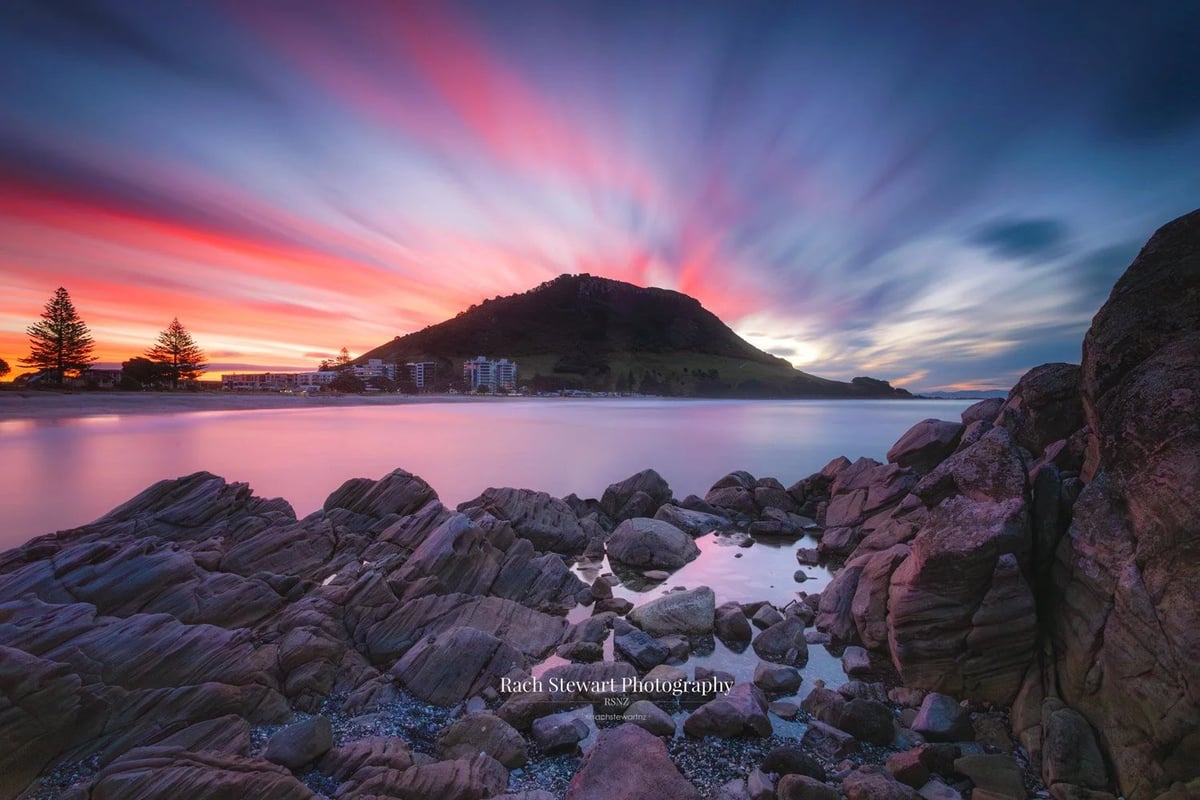
Gateway to the Bay of Plenty and beyond. Opens access to Mayor Island, Astrolabe Reef, and the wider eastern Bay of Plenty territory when conditions align.
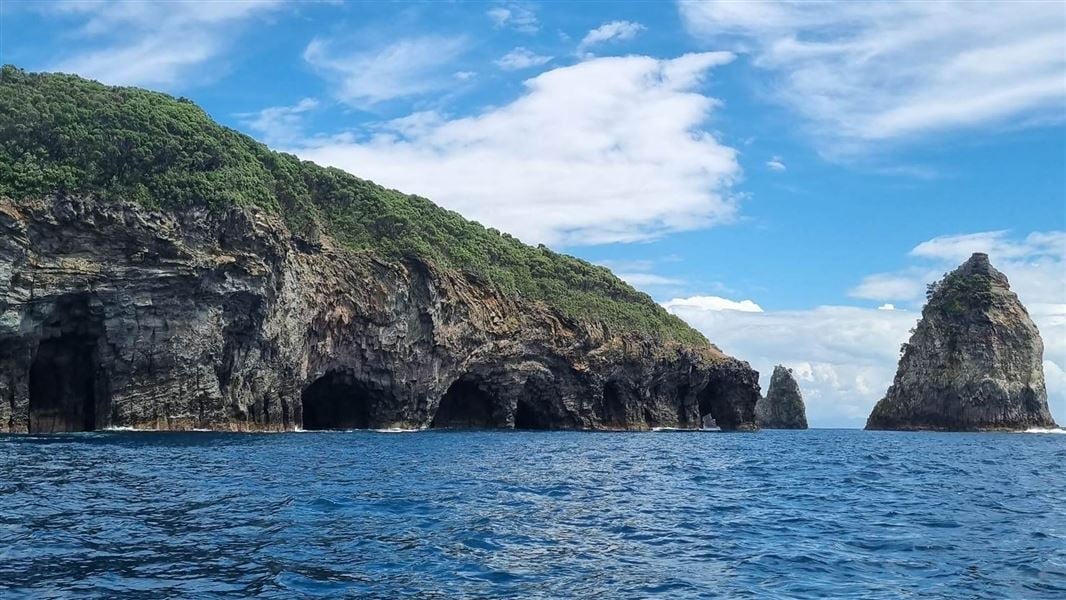
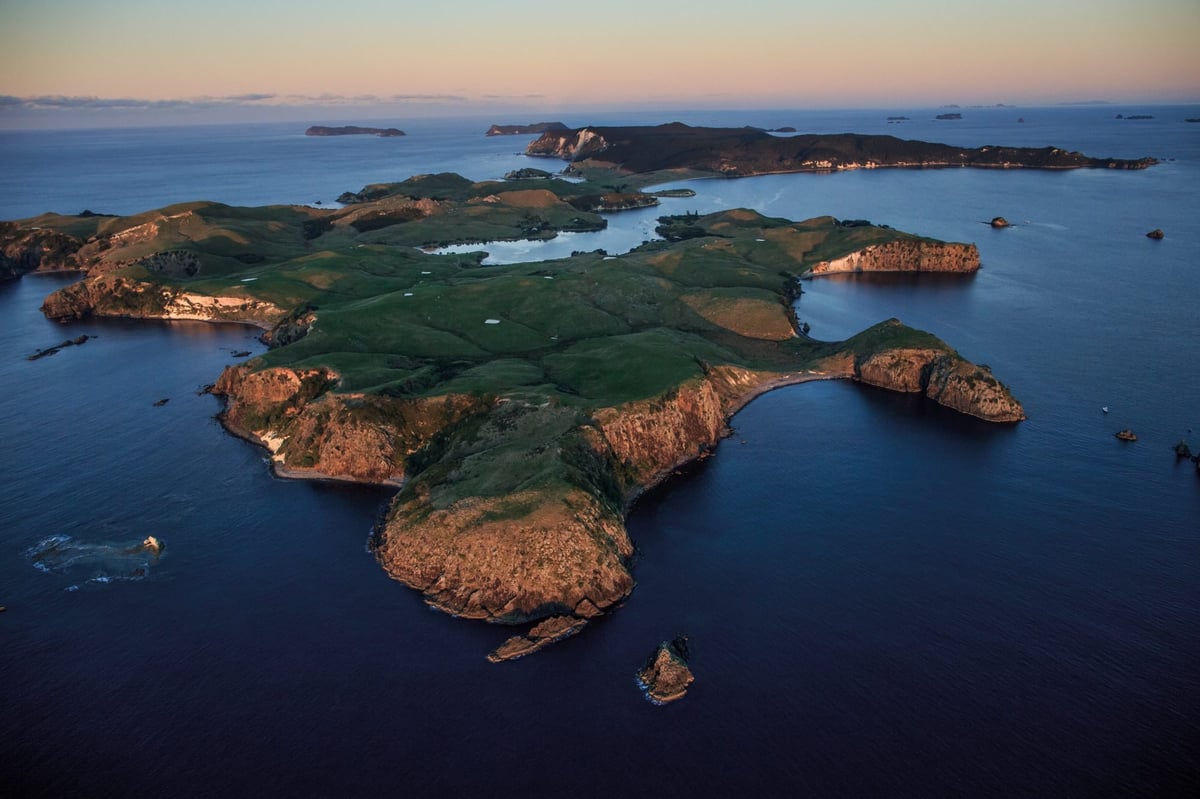
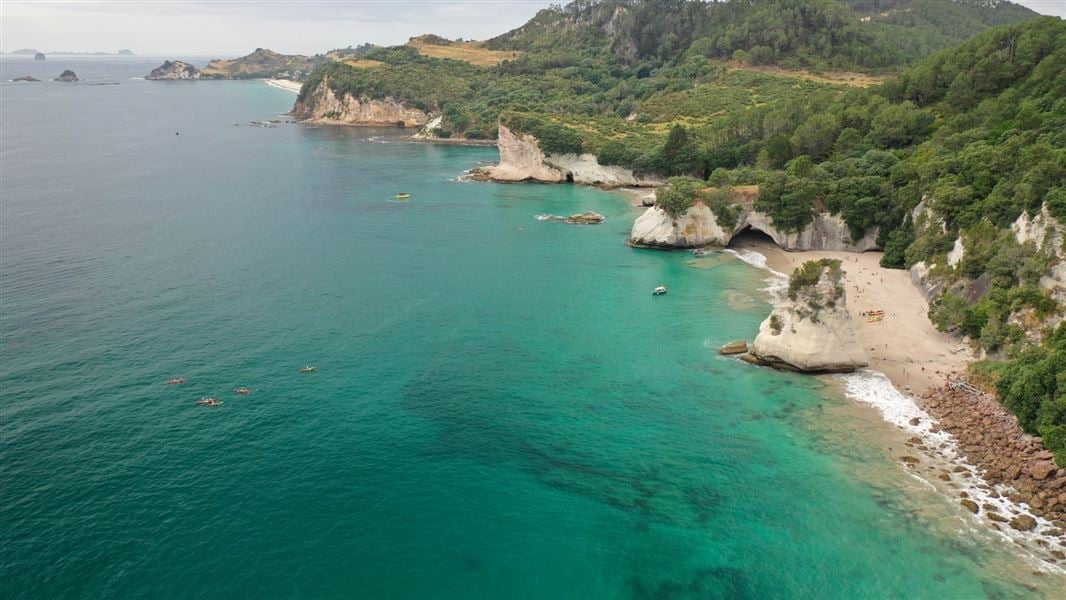
Access to the Mercury Islands and Coromandel Marine Reserve. Dramatic volcanic terrain, cave systems, and some of the most reliable conditions on the coast.
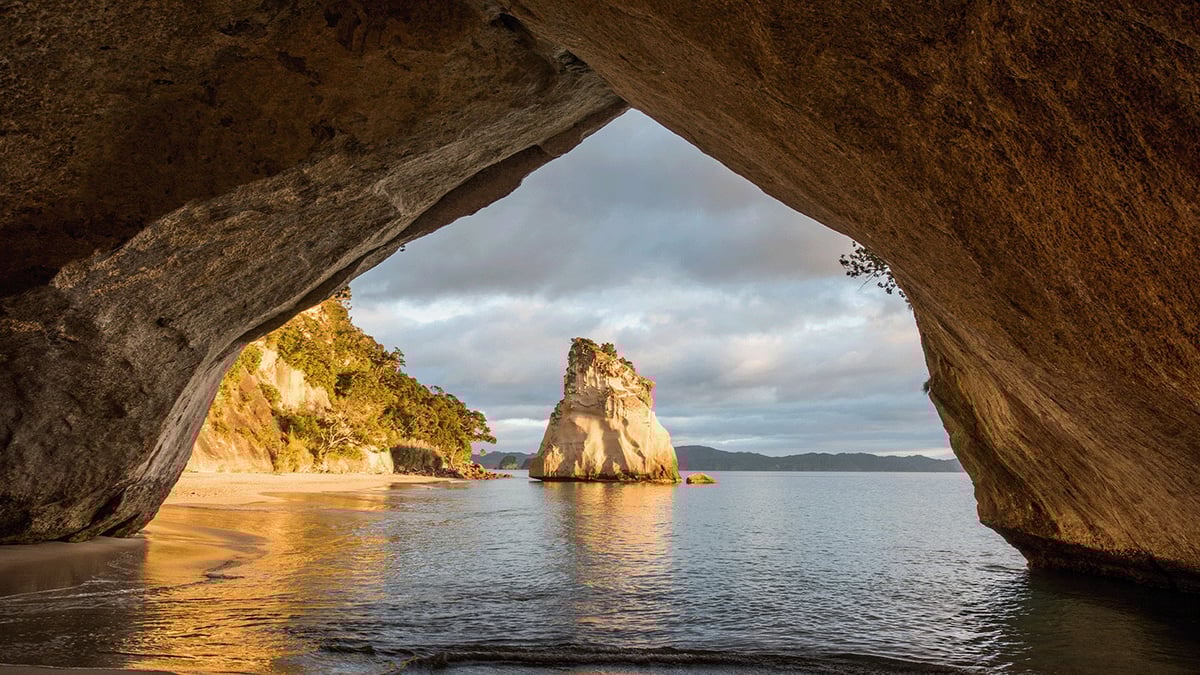
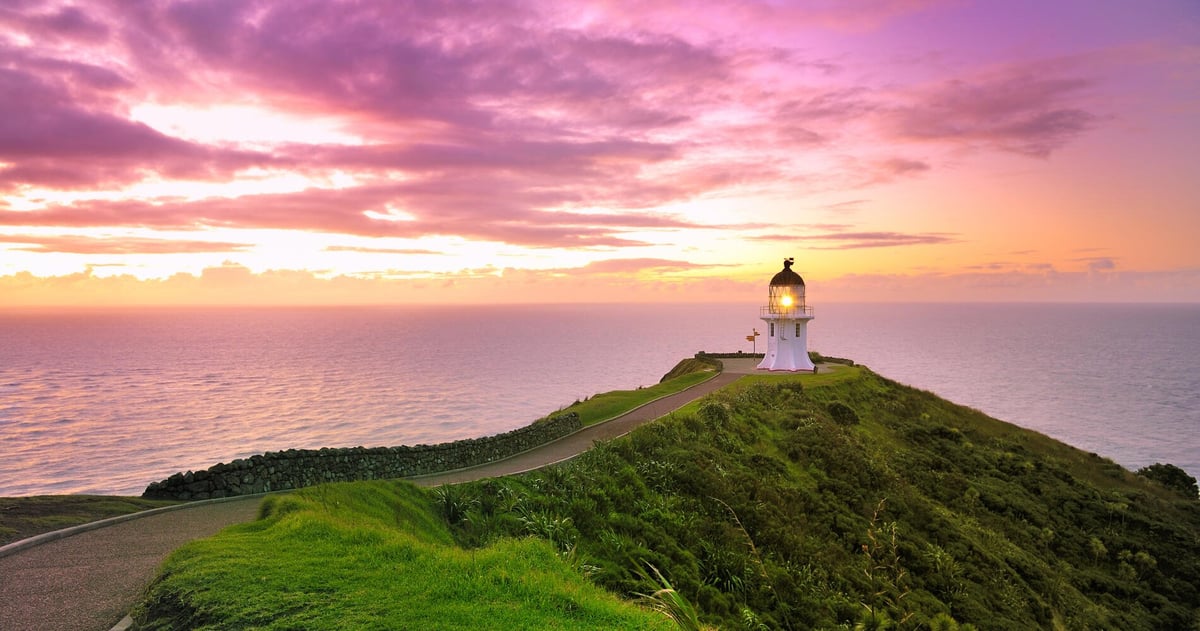
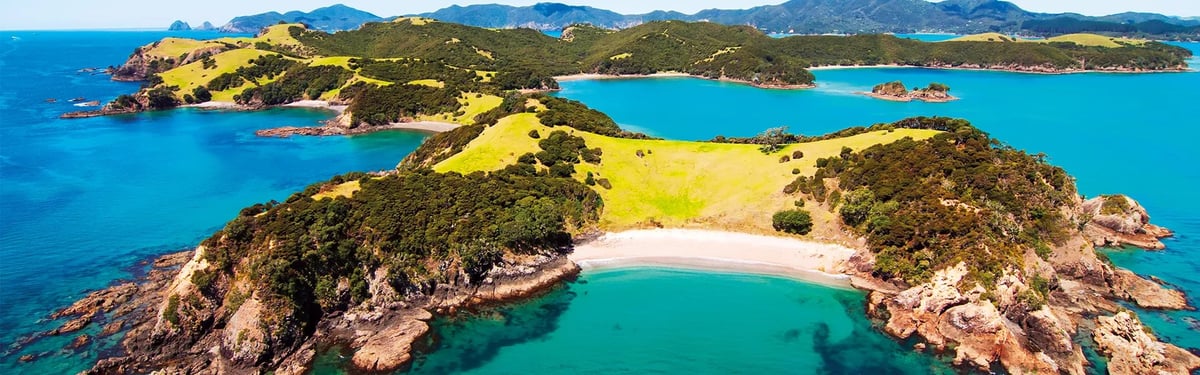
Home to the Poor Knights and Bay of Islands. The serious diving territory. Clear water, dramatic formations, and world-class sites when the conditions are right.
Featured Territory
From volcanic islands to marine reserves, the east coast offers serious diving across a range of environments. These are some of the territory Global Scuba operates in.
Featured Destination
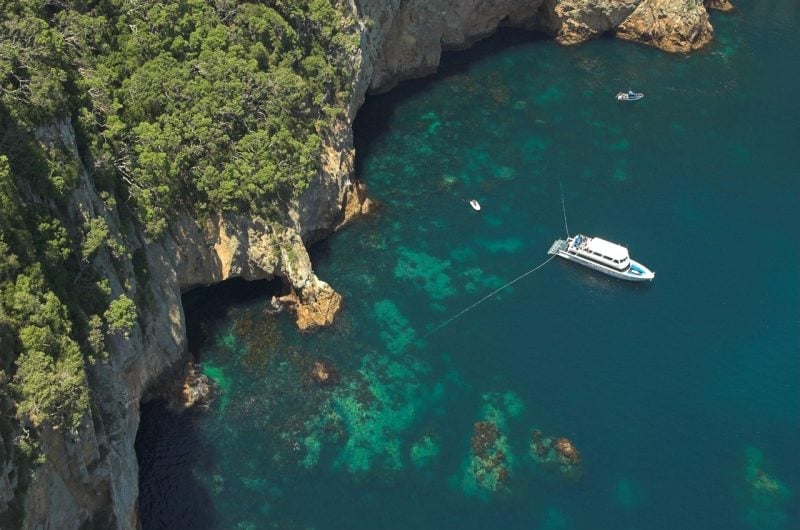
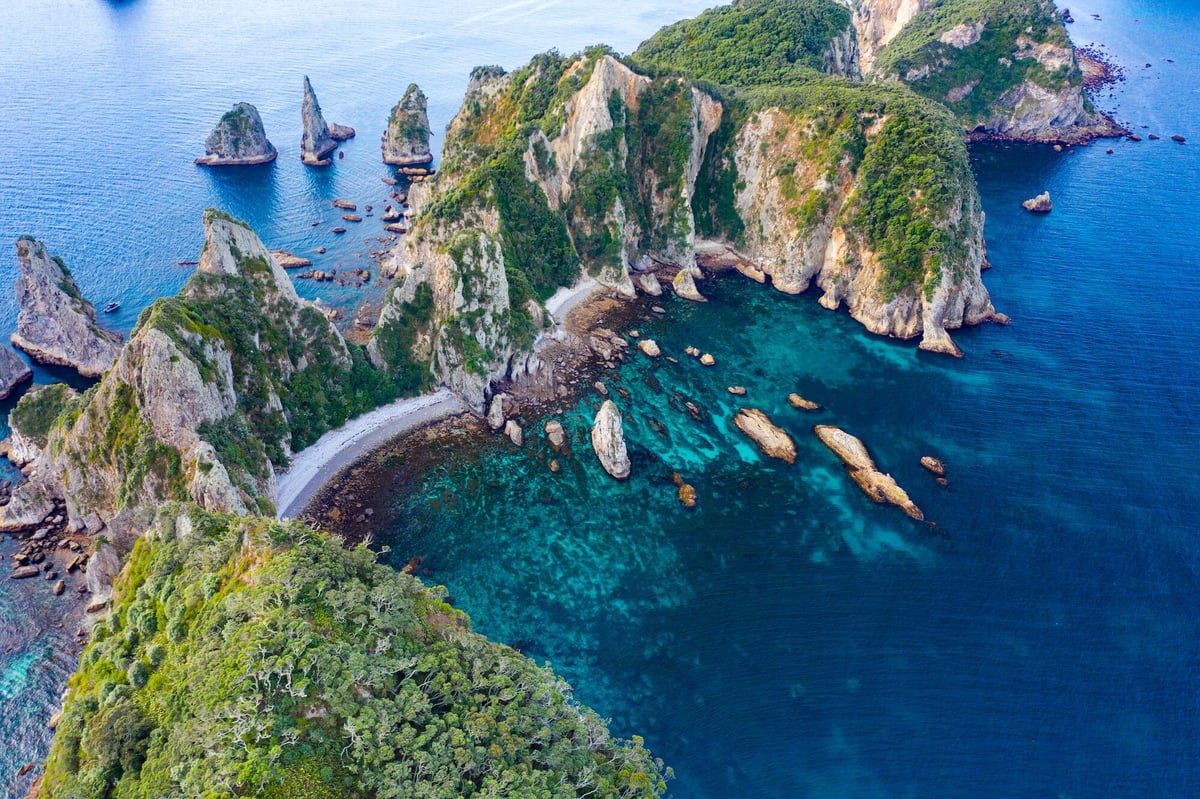
World-renowned marine reserve. Volcanic arches, caves, and exceptional visibility. The serious diver's destination.
Featured Destination
Volcanic crater island with dramatic drop-offs and cave systems. Deep water access and pelagic species.
Volcanic terrain, clear water, excellent reef diving
Historic waters, diverse marine life, mixed terrain
Protected reef systems, exceptional biodiversity
Remote diving, unspoiled reefs, pelagic species
Bay of Plenty outer reef territory. Deep water access and consistent structure for serious diving.
Northland's hidden diving coast. Less visited, excellent conditions when the weather aligns.
Volcanic coast access. Rich feeding grounds and dramatic underwater terrain off the beaten path.
Marine Life
New Zealand's east coast offers diverse marine environments. What you encounter depends on the site, the season, and what the water is doing.
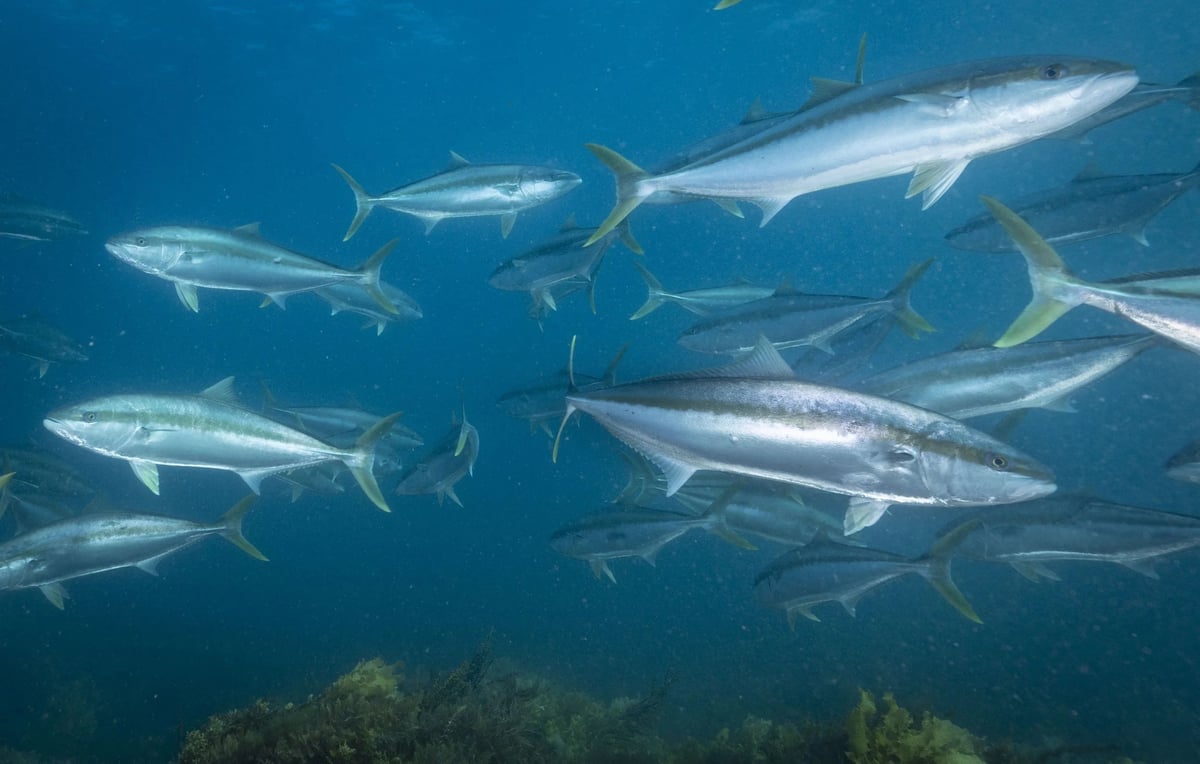
Schooling Species
Big pelagic fish working the reefs and drop-offs. The kind of encounter that makes a trip.
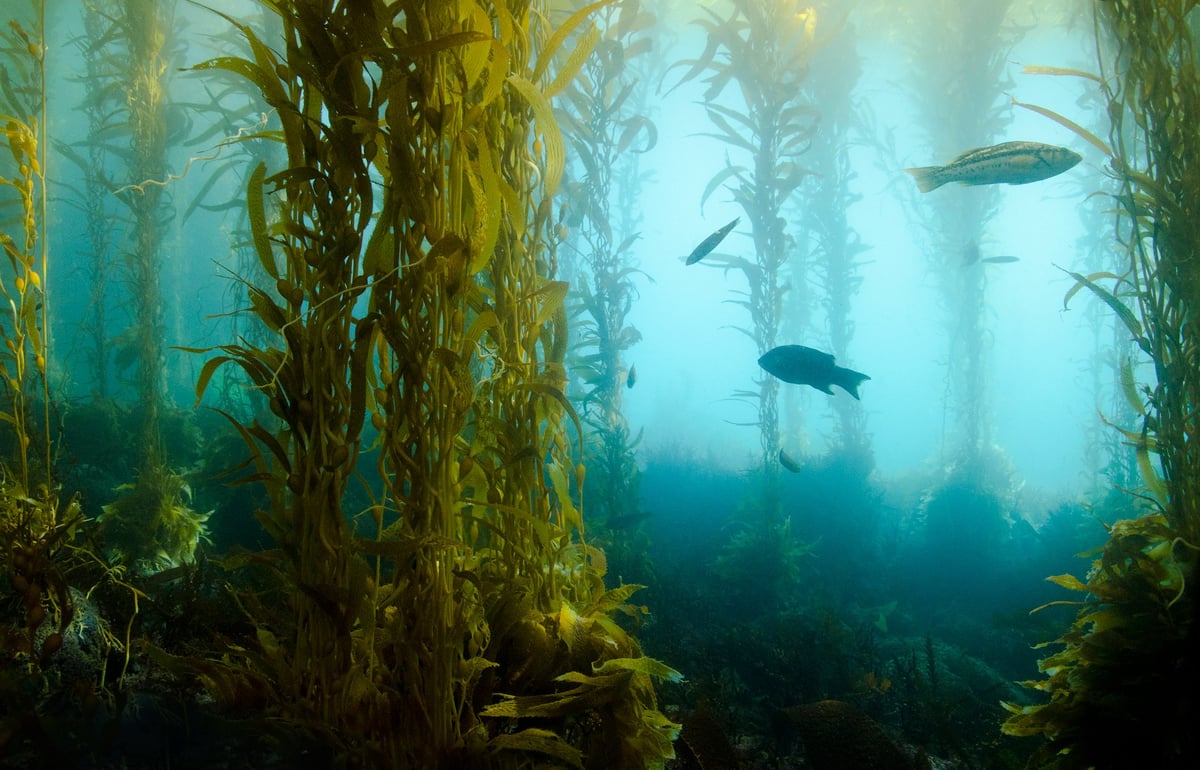
Reef Environment
Brown kelp, reef fish, and the life that depends on it
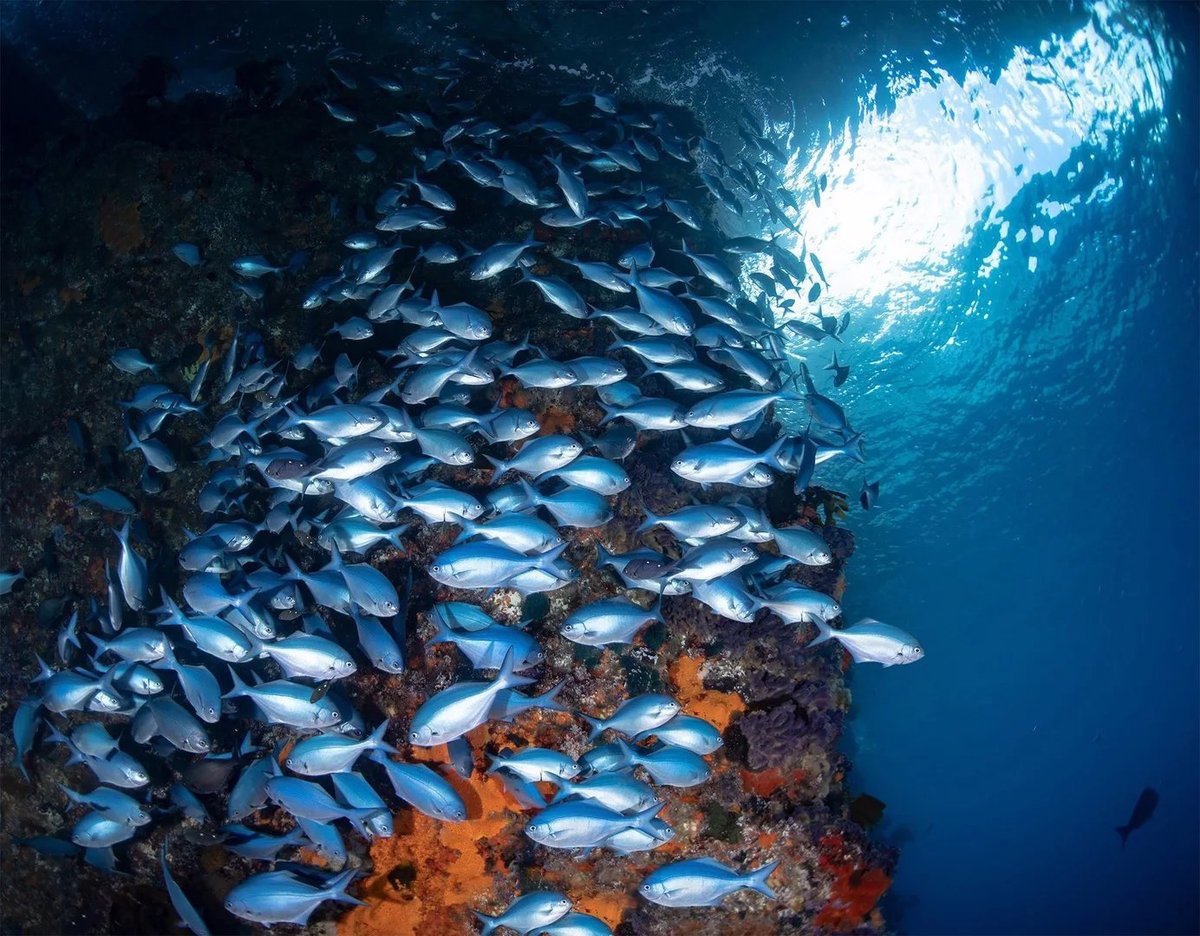
Reef Life
The colours that make reef diving rewarding
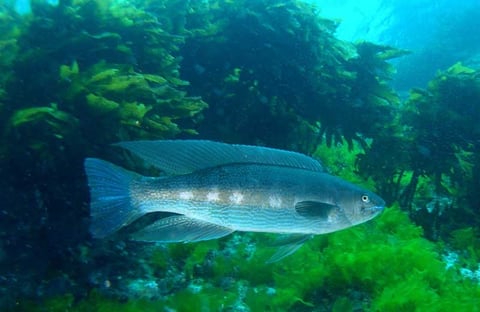
Reef Fish
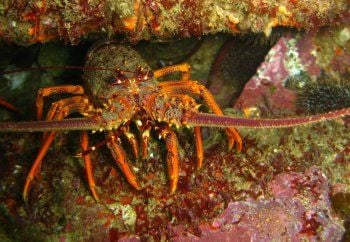
Crustacean
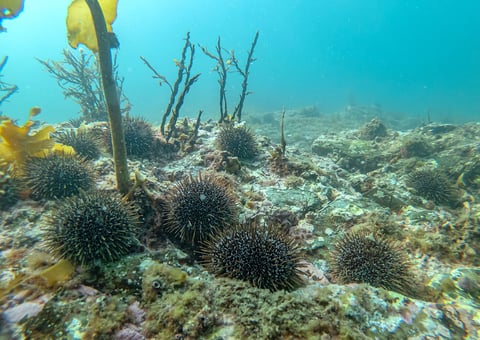
Echinoderm
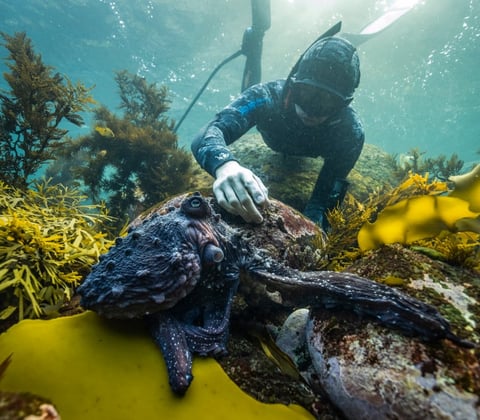
Marine Reptile
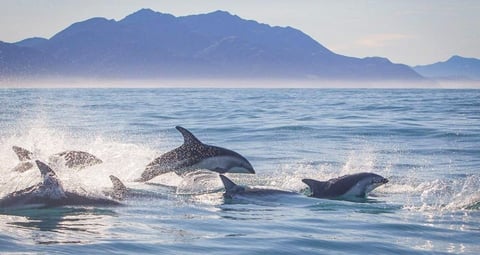
Marine Mammal
"Every dive is different. The water decides what you're going to see. That's what keeps it interesting."
Planning
Global Scuba doesn't run the same departure to the same site every morning. The water changes. Conditions shift. Sites that were perfect last week might not be the right call today.
Richie reads conditions and chooses sites that match what you're looking for, what your experience level can handle, and what the water is offering. Weather, visibility, sea state, and trip goals all factor in.
This isn't a limitation. It's how serious diving works. The best sites aren't always the same sites.
Wind direction and strength affect which coast is sheltered and which sites are diveable.
Some sites are better in clearer water. Others shine when there's a bit of surge bringing life.
Surge, current, and tidal flow determine which sites are appropriate on any given day.
What you want from the dive—sightseeing, photography, hunting—shapes which sites make sense.
Ready to Dive
Tell us what you're looking for. Whether it's a specific destination, a type of diving, or just a serious dive experience—we'll figure out where and when makes sense.
Max 4 guests per trip · Departures from Mount Maunganui, Coromandel, and Northland